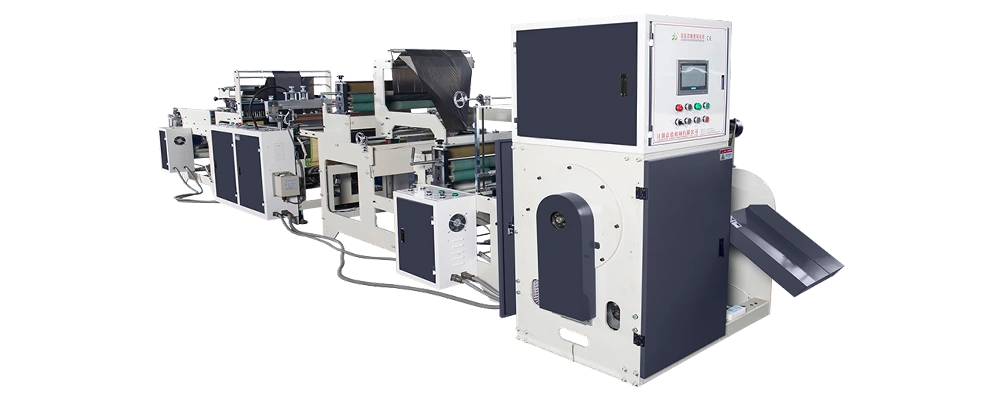
30 years leading professional manufacturer of bag-on-roll equipment in China
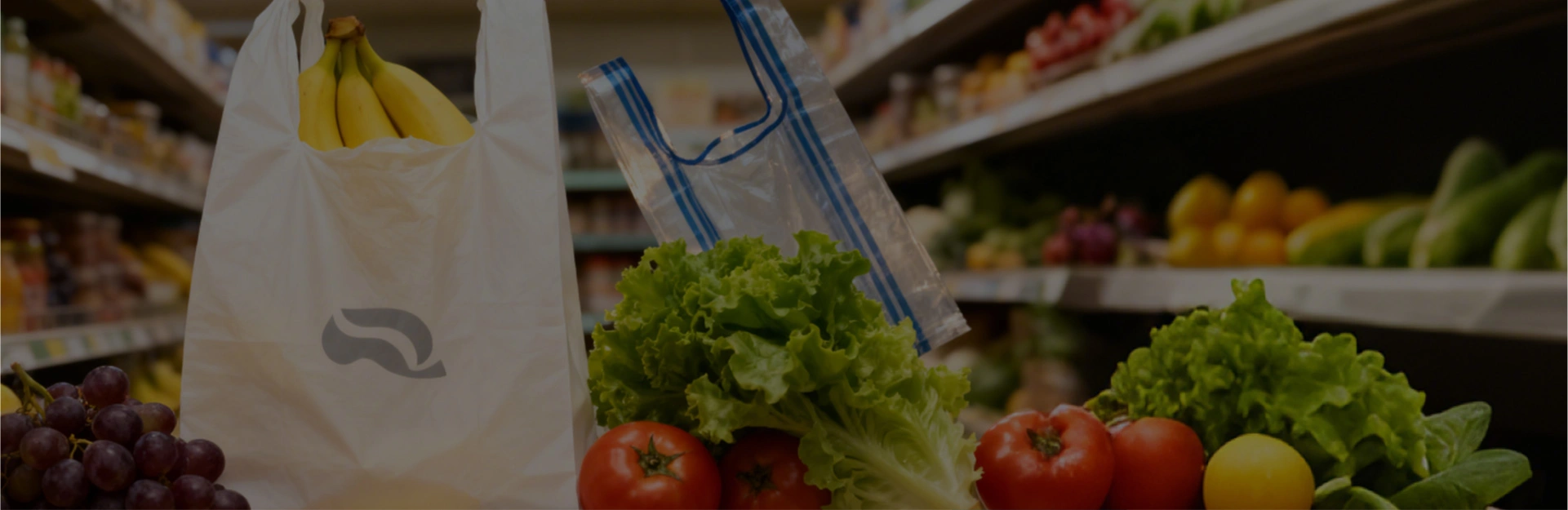
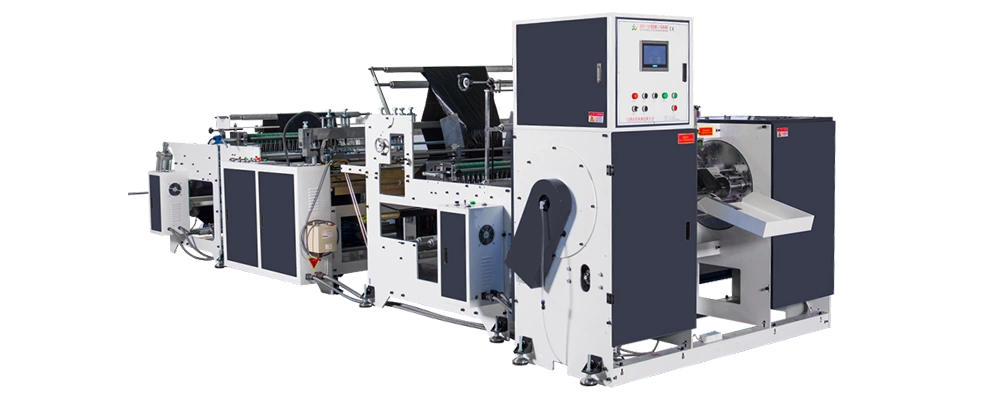
You've received an inquiry for custom U‑shape bags on rolls — maybe for produce, hardware, or promotional packing. Your current line handles standard flat or T‑shirt bags, but a dedicated U‑shape roll requires different tension control, perforation precision, and core winding.
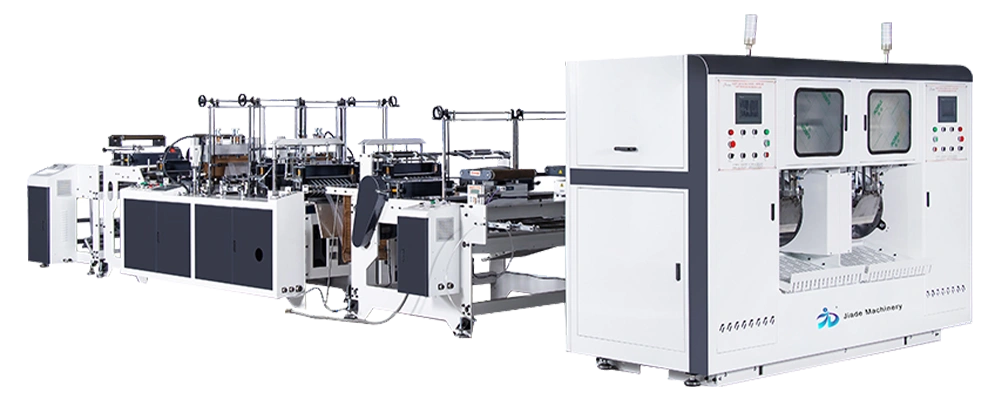
Before comparing specific models or requesting quotes, you need a decision framework. This article outlines four technical factors that directly impact your uptime, material cost, and ability to accept short‑run custom orders.
Not all U‑shape bag on roll machines perform the same under daily production pressure. Below are the four variables that separate a reliable workhorse from a constant source of jammed rolls and rejected batches.
| Factor | What It Means Technically | Why It Matters to Your Business |
|---|---|---|
| Consistent line speed | Maintains set speed (±2%) regardless of material thickness | Reduces waste during start/stop; predictable daily output per shift |
| Perforation accuracy | Registration error below 1mm across 500+ cycles | Prevents customer complaints about hard‑to‑tear or mis‑aligned bags |
| Material adaptability | Handles 20%‑40% recycled content or bio‑based films | Lets you lower raw material cost and meet sustainability tenders |
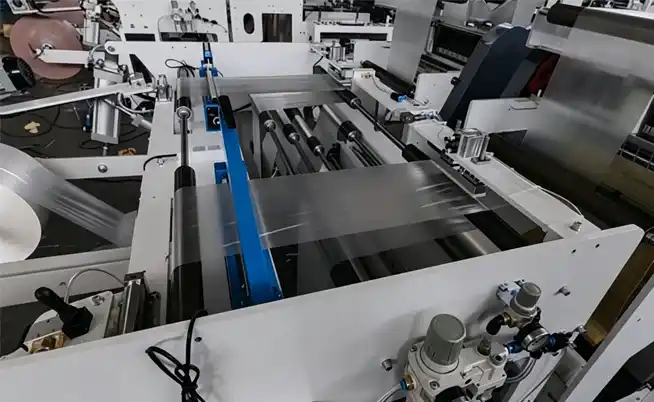
| Winding tension control | Closed‑loop servo tension with automatic taper reduction | Produces tight, evenly stacked rolls that fit standard dispensers |
According to a 2023 technical guideline on flexible packaging conversion published by The Association of Plastic Recyclers (APR), inconsistent winding tension is the number one cause of roll‑related rejects among bag converters — directly affecting both profit margin and customer retention. This makes tension control a non‑negotiable feature, not a "nice to have."
If your order mix also includes drawstring or four‑fold bags, understanding how different machine series handle multiple roll formats can help you consolidate equipment. See the technical overview of how bag on roll machines accommodate various production needs.
Most packaging converters fall into one of three operational patterns. Identify which scenario matches your business, then focus on the corresponding technical priority.
Typical orders: 50,000+ rolls of identical U‑shape bags (e.g., retail produce bags)
Priority: Sustained speed and minimal operator intervention
Key spec to verify: Maximum mechanical speed (bags/min) at full roll diameter
Typical orders: 5,000 – 20,000 rolls, varying bag length, width, or perforation pattern
Priority: Quick recipe recall and minimal material loss during changeover
Key spec to verify: Number of stored job parameters and average changeover time
Typical orders: Pilot batches for eco‑conscious retail clients
Priority: Stable feeding and sealing with non‑virgin resins
Key spec to verify: Extruder/motor torque control range and documented compatibility with specific material families (e.g., post‑consumer PE, PLA)
A 2024 survey on packaging machinery utilization published by PMMI, The Association for Packaging and Processing Technologies, found that converters running mixed orders (Scenario B) reported 18‑23% higher overall equipment effectiveness when their roll bag machines offered recipe storage for at least 50 jobs, compared to those without digital presets.
Use this five‑step checklist during your internal evaluation. It moves from broad order patterns down to specific technical requirements — without assuming you already know the "perfect" model.
Why: Maximum roll diameter and core size dictate winding station requirements.
How to document: Record outer roll diameter, inner core diameter, and bag length (perforation pitch).
Why: Machines with manual adjustments cost you hours every week if you run more than 10 different roll types.
How to document: Number of unique bag specifications (length, width, film type) divided by number of production days.
Why: If more than 3% of finished rolls are rejected due to loose winding or telescoping, tension control must be a high priority.
How to document: Rejected roll weight ÷ total finished roll weight (last 30 days).
Why: Heavier rolls require sturdier unwind stands and larger motors.
How to document: Maximum roll weight (kg) requested in any tender last 12 months.
Why: This defines which technical feature pays back fastest.
How to document: Write a single sentence: "We need to improve [X] by [Y]% without increasing operator skill requirements."
For converters producing both U‑shape rolls and star-seal flat bags, a unified control interface reduces operator training time. See how integrated Delta controls handle multiple sealing patterns — including solutions for special-purpose bags.
Once you have documented the five steps above — especially changeover frequency and current scrap rate — you have a functional requirement list. The next logical step is comparing how different bag on roll platforms address those specific numbers.
Not every machine built for U‑shape production will suit a high‑mix, low‑volume workflow. Some designs prioritize sustained speed but offer limited recipe storage. Others focus on material flexibility at the cost of top speed. Your order book (Scenarios A, B, or C) should guide which compromise you accept.
To further translate the decision logic above (changeover frequency, material adaptability, winding quality) into specific equipment comparisons, review the frequently asked questions section on continuous roll bag machine selection, which covers balancing speed, changeover time, and recycled material compatibility.
The following topics form a knowledge cluster around roll bag machine selection. Read them in any order based on your immediate priorities:
Drawstring vs. Star-Seal Roll Bags
Recycled Material Compatibility in Continuous Roll Bag Machines
Four-Fold Bottom Seal Bag Machines
Perforation Accuracy and Customer Complaint Rates
Remote Support and Predictive Maintenance for Roll Bag Lines



.webp)